Process
Starting with the problem, not the vehicle
Every concept here begins with a written problem statement before a single line is drawn. Here is why that rule exists and what it changes.
Concept Engineering DESIGNER · Est. 2026
Developing engineering concepts designed to reduce risk, improve support, and solve real-world problems. Every concept starts with a real problem and the people it affects.
07
Active concepts
UK
INDEPENDENT DESIGNER
2026
Founded
L · A · S
Land · Air · Sea domains
01 · Mission
I design systems that reduce human exposure to danger in conflict, in disasters, and wherever support is hardest to deliver.
Each concept opens with a written problem brief. Who is exposed, where, doing what. Only then does the engineering start. The result is a portfolio of platforms that share a single philosophy: modular, attritable when they must be, and built around the standardised payloads real logistics already uses.
Modularity
One chassis, many roles. Decisions made at the interface.
Survivability
Reducing what gets observed, hit, and lost.
Humanitarian
Civilian use cases are the baseline, not the afterthought.
02 · Featured concepts
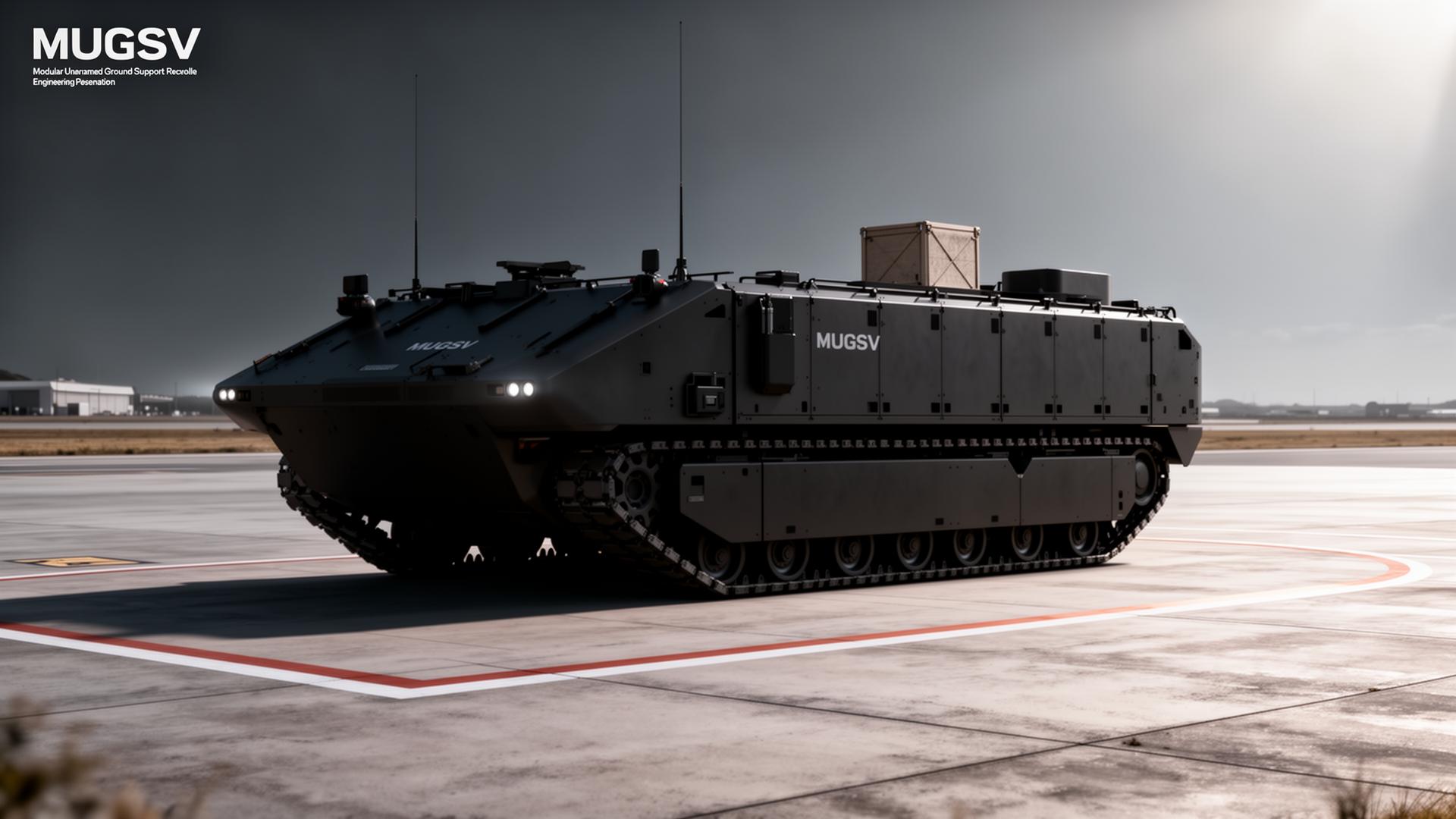
A reconfigurable autonomous platform that takes humans out of the most exposed parts of the supply chain.
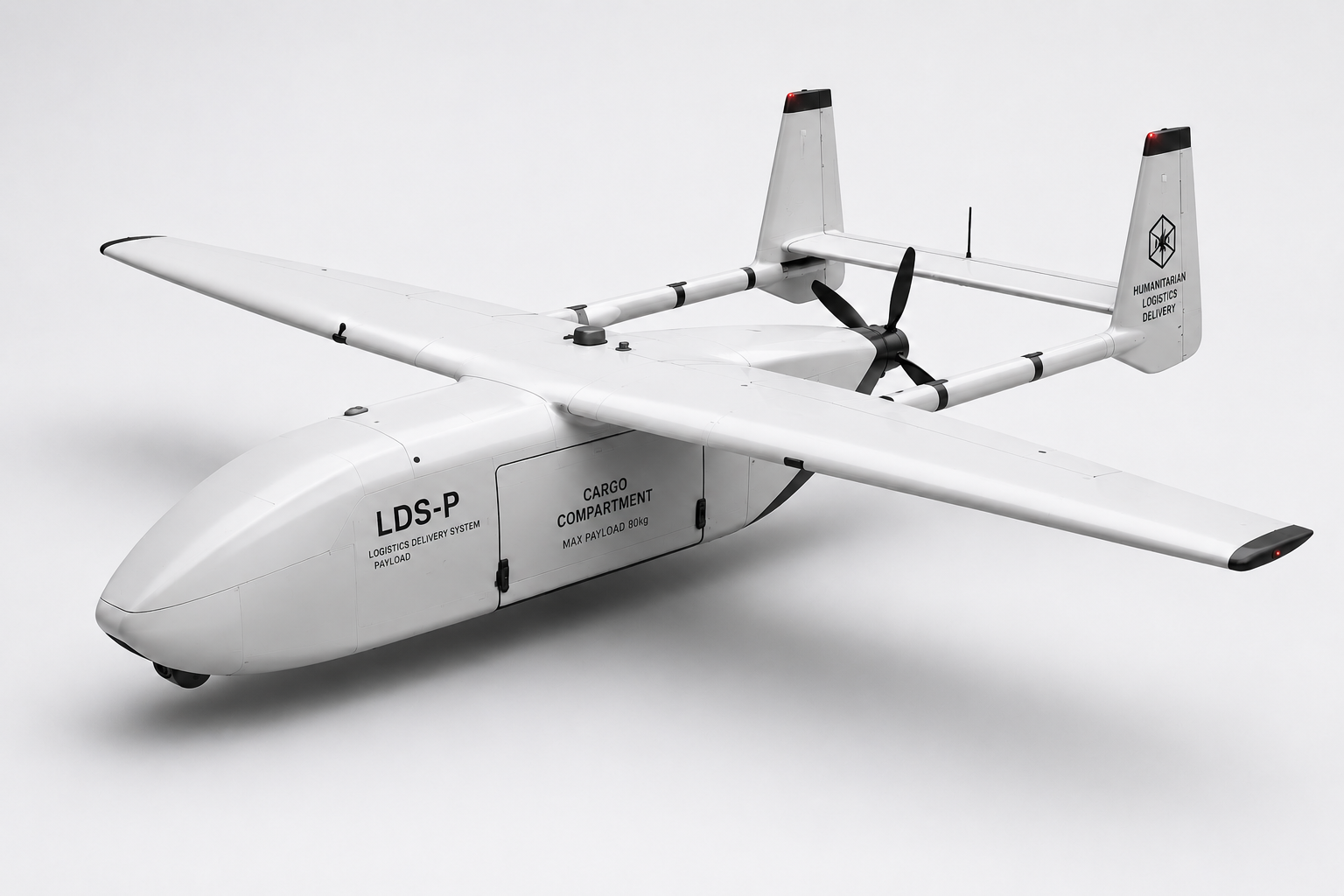
A coordinated swarm-and-hub system for delivering critical supplies into places trucks cannot reach.
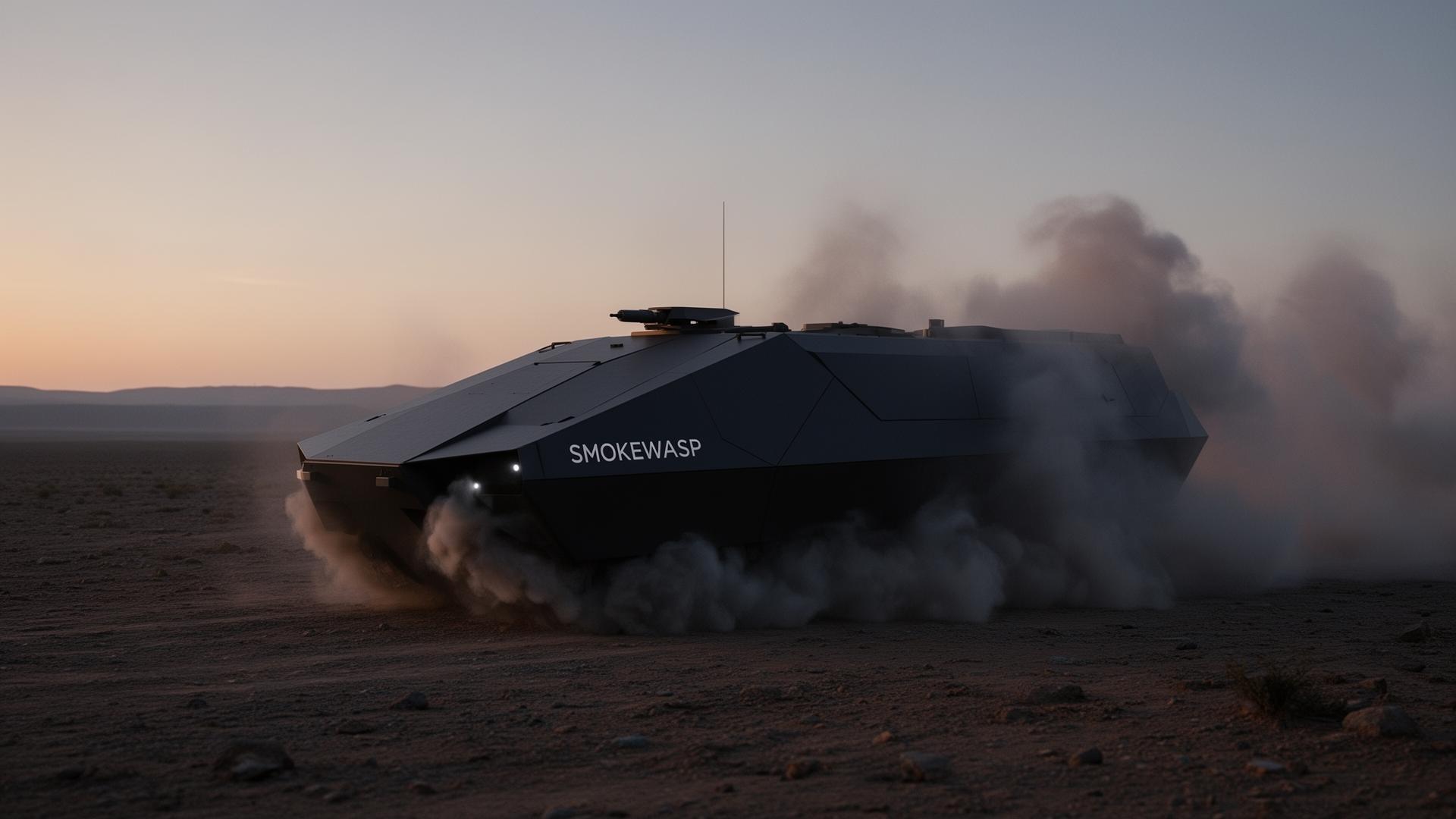
An unmanned screening vehicle that buys time and reduces exposure for crews moving through observed ground.
03 · Design journal
A working log of concept evolution, engineering decisions, and what each iteration taught me.
Open the journal →Every concept here begins with a written problem statement before a single line is drawn. Here is why that rule exists and what it changes.
A single concept drawing is a hypothesis. A family of variants built around the same platform is proof that the idea scales.
Open to conversations